Preparing homemade baby food (MPASI) for your little one is an act of love. But let's be honest, wading through the sheer amount of information and gadgets needed can feel overwhelming. Are you really supposed to own twenty different types of spoons? What about that fancy steamer? Does it really make a difference?
The journey to feeding your baby solids is often paved with confusion and uncertainty. Parents are bombarded with information, and the pressure to get everything "just right" can feel immense. Finding reliable guidance, understanding which tools are truly essential, and ensuring everything is safe and appropriate for your baby are common concerns that keep parents up at night.
This guide is designed to help parents navigate the world of MPASI equipment, focusing on the essential tools that will make the process easier, safer, and even enjoyable. We'll cut through the noise and focus on quality, functionality, and baby-safe materials, empowering you to create nutritious and delicious meals for your little one with confidence.
This article will guide you through selecting the best MPASI equipment. It emphasizes safe and functional tools for preparing homemade baby food. Key aspects include choosing baby-safe materials, understanding essential equipment like blenders, steamers, and storage containers, and recognizing the importance of hygiene. The article also aims to debunk myths and share tips to make the MPASI preparation process easier and more enjoyable. Keywording includes: MPASI, baby food, peralatan MPASI, blender MPASI, steamer MPASI, baby food containers, food processor MPASI, MPASI tools, MPASI equipment, baby safe materials.
My Personal MPASI Journey: The Sturdy Blender

My MPASI journey started with a hand-me-down blender, bless its heart. It was noisy, clunky, and probably older than me, but it was all I had. I remember the first time I tried to puree sweet potato. The blender rattled, the kitchen smelled faintly of burnt motor, and the resulting "puree" was more like chunky mashed potatoes. It was a humbling experience! I quickly realized that while any old blendercouldtechnically do the job, having the right equipment makes a world of difference. A good, sturdy blender specifically designed for pureeing is a game changer. It needs to be powerful enough to handle tough vegetables and fruits, easy to clean (because who has time for complicated cleaning when you have a baby to feed?), and ideally, have a pulse function for controlling the texture. This personal experience highlighted the importance of investing in reliable and efficient equipment. Thinking back, a dedicated baby food maker or even just a high-quality immersion blender would have saved me a lot of time and frustration. Learning from my mistakes, I eventually upgraded to a more suitable blender, and the difference was night and day. The sweet potato puree became smooth and velvety, and the entire process became much less stressful. This experience solidified my belief that having the right tools can truly empower parents to confidently create nutritious and delicious meals for their little ones. Keywords: MPASI blender, immersion blender, baby food maker, puree, sweet potato, baby food texture.
Apa itu 'Peralatan MPASI Terbaik' Really?

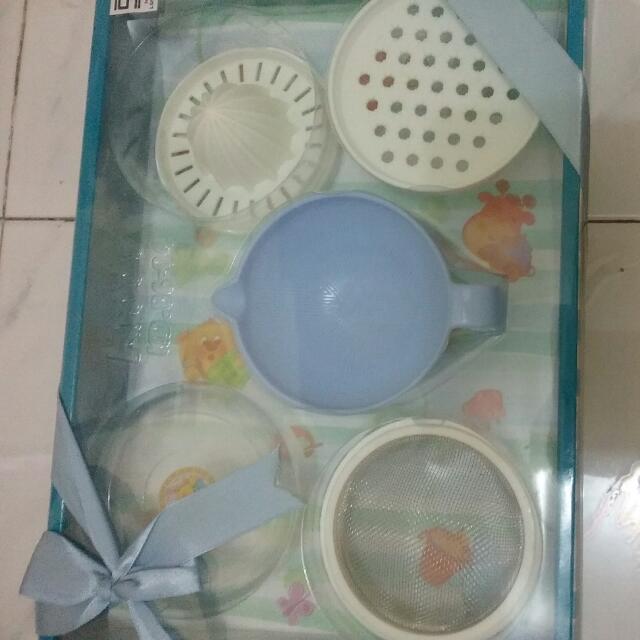
When we talk about "peralatan MPASI terbaik" (the best MPASI equipment), we're not necessarily talking about the most expensive or the most elaborate gadgets. Instead, it's about finding tools that are safe, functional, durable, and meet your specific needs and lifestyle. The "best" equipment is subjective and depends on factors like your budget, the amount of time you have for food preparation, and your cooking style. At its core, "peralatan MPASI terbaik" encompasses items that allow you to prepare fresh, healthy baby food conveniently and efficiently. This might include a high-quality blender or food processor for creating smooth purees, a steamer for preserving nutrients during cooking, and a set of safe and durable storage containers for portioning and freezing meals. Safety is paramount, so look for items made from BPA-free plastics or stainless steel, and ensure that any sharp objects are stored securely. Functionality is key, so consider tools that are easy to use and clean. Durability ensures that your investment will last through the MPASI stage and beyond. Ultimately, the "peralatan MPASI terbaik" are the tools that empower you to confidently create nutritious and delicious meals for your baby, making the MPASI journey a positive and enjoyable experience for both of you. Keywords: MPASI essentials, safe baby food equipment, durable MPASI tools, BPA-free, food processor, steamer, storage containers, efficient MPASI preparation.
The History and Myths Surrounding MPASI Equipment

Historically, MPASI preparation involved methods passed down through generations, often relying on basic tools like mortars and pestles or simple cooking pots. The rise of modern appliances like blenders and food processors revolutionized the process, offering convenience and efficiency. However, this progress has also led to certain myths and misconceptions. One common myth is that you need an arsenal of expensive, specialized equipment to make nutritious baby food. While dedicated baby food makers can be helpful, they're not essential. A good quality blender and a steamer can achieve the same results. Another myth is that store-bought baby food is inherently inferior to homemade. While homemade MPASI allows for greater control over ingredients, commercially prepared baby food undergoes rigorous testing and safety standards. The best choice depends on individual circumstances and preferences. Furthermore, there's a misconception that babies need highly processed, completely smooth purees. Introducing different textures early on can help develop chewing skills and prevent picky eating later. In essence, understanding the historical context and debunking these myths can empower parents to make informed decisions about MPASI equipment and feeding practices, focusing on what truly matters: providing nutritious and wholesome meals for their little ones. Keywords: MPASI history, baby food myths, homemade vs. store-bought, baby food textures, baby food appliances, traditional MPASI methods, food processor, blender, steamer.
The Hidden Secrets to Successful MPASI Preparation

The "hidden secrets" to successful MPASI preparation aren't actually secrets at all, but rather practical tips and techniques that can simplify the process and reduce stress. One key secret is batch cooking. Setting aside a few hours each week to prepare a large batch of purees or meals can save a significant amount of time during the busy week. Portioning the cooked food into individual servings and freezing them ensures a convenient and readily available supply of nutritious meals. Another "secret" is embracing simple recipes. You don't need to be a gourmet chef to create healthy and delicious baby food. Start with single-ingredient purees like sweet potato, avocado, or applesauce, and gradually introduce more complex combinations as your baby's palate develops. Don't be afraid to experiment with different flavors and textures. Herbs and spices can add a new dimension to your baby's meals, and slightly thicker purees can help develop chewing skills. Finally, remember that every baby is different. What works for one baby may not work for another. Pay attention to your baby's cues and adjust your approach accordingly. If your baby refuses a certain food, don't force it. Try again later or offer an alternative. The most important "secret" is to relax, have fun, and enjoy the process of introducing your baby to the world of solid food. Keywords: MPASI batch cooking, baby food recipes, baby food flavors, baby food textures, picky eating, baby food refusal, portioning baby food, freezing baby food, MPASI tips.
My Top Recommendations for MPASI Equipment

Based on my own experience and countless hours of research, here are some of my top recommendations for MPASI equipment: First and foremost, a reliable blender or food processor is a must-have. Look for a model with a powerful motor, multiple speed settings, and easy-to-clean components. A high-quality immersion blender can also be a convenient alternative for smaller batches. Next, a good steamer is essential for preserving nutrients during cooking. A simple stovetop steamer basket works well, but an electric steamer can offer more convenience and control. For storage, opt for BPA-free containers in various sizes. Glass containers are a great option for reheating, but plastic containers are lighter and more durable for freezing. A set of soft-tipped spoons designed specifically for babies is also important. These spoons are gentle on delicate gums and make feeding easier. Finally, consider investing in a baby food cookbook or online resource for inspiration and guidance. There are countless recipes and tips available to help you create nutritious and delicious meals for your little one. Ultimately, the best equipment is the equipment that works best for you and your baby. Don't be afraid to experiment and find what suits your needs and lifestyle. Keywords: MPASI equipment recommendations, baby food blender, immersion blender, baby food steamer, BPA-free containers, baby spoons, baby food cookbook, MPASI resources, baby food safety.
Understanding Baby-Safe Materials

The safety of the materials used in MPASI equipment is paramount. Babies are more susceptible to the harmful effects of chemicals, so it's crucial to choose products made from non-toxic, baby-safe materials. BPA-free plastic is a common and widely available option. BPA (Bisphenol A) is a chemical that was previously used in the production of some plastics and has been linked to potential health problems. Look for products labeled "BPA-free" to ensure that they don't contain this harmful chemical. Stainless steel is another excellent choice for MPASI equipment. It's durable, easy to clean, and doesn't leach chemicals into food. Glass is also a safe and hygienic option for storage containers, but it's important to handle it with care to avoid breakage. Avoid using plastic containers with the recycling codes 3, 6, and 7, as these may contain harmful chemicals. When purchasing spoons, choose soft-tipped spoons made from silicone or BPA-free plastic. These spoons are gentle on delicate gums and won't damage your baby's teeth. Ultimately, taking the time to research and choose baby-safe materials is a small investment that can have a significant impact on your baby's health and well-being. Keywords: Baby-safe materials, BPA-free plastic, stainless steel, glass containers, silicone spoons, MPASI safety, non-toxic baby food equipment, recycling codes.
Tips and Tricks for Streamlining MPASI Preparation

Streamlining MPASI preparation can save you time and reduce stress. One of the most effective tips is to meal plan. Before you head to the grocery store, create a menu for the week and make a list of the ingredients you'll need. This will help you avoid impulse purchases and ensure that you have everything on hand when you're ready to cook. Another helpful tip is to wash and chop fruits and vegetables as soon as you get home from the store. This will save you time later when you're preparing meals. Consider investing in a good food processor or vegetable chopper to speed up the process. When preparing purees, cook large batches and freeze them in individual portions. Ice cube trays are perfect for freezing small amounts of puree, which can then be transferred to freezer bags for long-term storage. Label each container with the date and contents to keep track of what you have. Don't be afraid to get creative with flavor combinations. Experiment with different herbs, spices, and fruits to create exciting and nutritious meals for your baby. Remember that taste preferences vary, so be patient and don't give up if your baby initially refuses a certain food. Finally, clean as you go. Wash utensils and equipment immediately after use to prevent food from drying and becoming difficult to clean. By implementing these tips and tricks, you can make MPASI preparation a more efficient and enjoyable experience. Keywords: MPASI meal planning, baby food storage, freezing baby food, baby food flavor combinations, baby food recipes, easy MPASI preparation, food processor, vegetable chopper, MPASI tips.
The Importance of Proper Hygiene
Maintaining proper hygiene during MPASI preparation is essential to prevent foodborne illnesses. Always wash your hands thoroughly with soap and water before handling food. Clean and sanitize all surfaces, utensils, and equipment that will come into contact with your baby's food. Use hot, soapy water to wash cutting boards, knives, blenders, and other tools. Sanitize them by soaking them in a solution of bleach and water for a few minutes. Rinse thoroughly with clean water and allow to air dry. When preparing fruits and vegetables, wash them thoroughly under running water to remove dirt and pesticides. Peel fruits and vegetables if possible, as the peel may contain contaminants. Cook food to the recommended internal temperature to kill harmful bacteria. Use a food thermometer to ensure that the food is cooked properly. Store cooked food properly in the refrigerator or freezer. Refrigerate leftovers within two hours of cooking. Avoid leaving food at room temperature for extended periods, as this can allow bacteria to grow. When reheating food, make sure it is heated thoroughly to kill any bacteria that may have developed. Follow these hygiene practices to protect your baby from foodborne illnesses and ensure that their meals are safe and nutritious. Keywords: MPASI hygiene, baby food safety, foodborne illnesses, hand washing, sanitizing equipment, food thermometer, food storage, reheating food, baby food preparation.
Fun Facts About MPASI and Baby Food

Did you know that the first commercially produced baby food was introduced in the late 19th century? It was a dried cereal-based product marketed as a convenient alternative to homemade baby food. Avocados are considered one of the best first foods for babies because they are packed with healthy fats and nutrients. Sweet potatoes are another popular choice, thanks to their naturally sweet flavor and smooth texture. The World Health Organization recommends exclusive breastfeeding for the first six months of life, followed by the introduction of complementary foods, including MPASI. Introducing different textures to babies early on can help develop their chewing skills and prevent picky eating later in life. Some cultures have unique MPASI traditions. In some Asian countries, rice porridge is a common first food. In some African countries, mashed yams or plantains are often introduced. The term "weaning" refers to the process of gradually introducing solid foods to a baby's diet and reducing the reliance on breast milk or formula. Making your own baby food allows you to control the ingredients and avoid added sugars, salt, and preservatives. Ultimately, MPASI is a fun and exciting stage in a baby's development. Embrace the experience and enjoy the journey of introducing your little one to the world of flavors and textures. Keywords: MPASI fun facts, baby food history, avocado for babies, sweet potato for babies, breastfeeding, weaning, baby food textures, cultural MPASI traditions, homemade baby food.
Cara Make Basic MPASI Purees

Making basic MPASI purees is surprisingly simple. Let's start with a classic: sweet potato puree. Begin by washing and peeling a sweet potato. Cut it into small cubes and steam, boil, or roast until tender. Once cooked, transfer the sweet potato to a blender or food processor and blend until smooth, adding a little water or breast milk to reach the desired consistency. For avocado puree, simply peel and pit a ripe avocado and mash it with a fork or blend it in a food processor. Add a squeeze of lemon juice to prevent browning. Apple puree is another easy option. Peel and core an apple, then steam or boil it until soft. Blend until smooth. Green bean puree is a great way to introduce vegetables. Steam or boil green beans until tender, then blend until smooth. Remember to always start with single-ingredient purees and gradually introduce more complex combinations as your baby gets older. Always check the temperature of the puree before feeding it to your baby to avoid burns. With a few simple ingredients and a little bit of effort, you can create nutritious and delicious purees for your little one. Keywords: MPASI purees, sweet potato puree, avocado puree, apple puree, green bean puree, baby food recipes, homemade baby food, blending baby food, steaming baby food.
Bagaimana jika My Baby Refuses MPASI?

It's not uncommon for babies to refuse MPASI, especially when they're first starting out. Don't be discouraged! It doesn't necessarily mean that they don't like the food. There could be several reasons why your baby is refusing MPASI. They might not be hungry, they might not like the texture, or they might simply be overwhelmed by the new experience. Try offering MPASI at a time when your baby is alert and happy, but not overly hungry. Start with small amounts and don't force them to eat if they're not interested. Experiment with different textures. Some babies prefer smooth purees, while others prefer slightly thicker textures. Try different flavor combinations to see what your baby enjoys. Be patient and persistent. It may take several attempts before your baby accepts a new food. If your baby consistently refuses a particular food, try introducing it again in a few weeks. Offer a variety of foods to ensure that your baby is getting a balanced diet. If you're concerned about your baby's eating habits, consult with your pediatrician or a registered dietitian. They can provide personalized advice and address any underlying issues. Remember that every baby is different, and it's important to respect their individual preferences and pace. Keywords: MPASI refusal, picky eating, baby food aversions, introducing solid foods, baby food textures, baby food flavors, pediatric dietitian, feeding difficulties, baby food concerns.
Daftar tentang 10 Must-Have MPASI Equipment Items

Here's a listicle of 10 must-have MPASI equipment items to make your baby food journey easier: 1. High-quality blender or food processor: For creating smooth and consistent purees.
2. Steamer: To preserve nutrients during cooking.
3. BPA-free storage containers: For portioning and freezing meals.
4. Soft-tipped spoons: Gentle on delicate gums.
5. Ice cube trays: For freezing small portions of puree.
6. Food thermometer: To ensure food is cooked to the proper temperature.
7. Vegetable peeler: For preparing fruits and vegetables.
8. Cutting board: Dedicated to baby food preparation.
9. Small saucepan: For cooking small batches of food.
10. Baby food cookbook or online resource: For inspiration and guidance. This list covers the basics to get started, ensuring you have the right tools for a safe and efficient MPASI journey. As you become more comfortable, you can always add more specialized equipment to your collection. Remember to prioritize safety, functionality, and durability when choosing your MPASI equipment. Keywords: MPASI equipment list, baby food essentials, blender, steamer, storage containers, baby spoons, food thermometer, vegetable peeler, cutting board, baby food cookbook.
Pertanyaan dan Jawaban tentang Peralatan MPASI Terbaik

Here are some frequently asked questions about MPASI equipment:
Q: Do I really need a special baby food maker?
A: Not necessarily. A good quality blender or food processor and a steamer can achieve the same results. Baby food makers can be convenient, but they're not essential.
Q: What kind of storage containers are best for MPASI?
A: BPA-free plastic or glass containers are both good options. Choose containers in various sizes for portioning and freezing meals.
Q: How do I clean my MPASI equipment?
A: Wash all equipment with hot, soapy water after each use. Sanitize regularly by soaking in a bleach and water solution.
Q: What if my baby is allergic to certain foods?
A: When introducing new foods, start with single-ingredient purees and monitor your baby for any allergic reactions. Consult with your pediatrician or a registered dietitian if you have concerns.
Kesimpulan tentang peralatan mpasi terbaik

Choosing the right MPASI equipment can make the transition to solid foods smoother and more enjoyable for both you and your baby. Focus on selecting safe, functional, and durable tools that meet your specific needs and lifestyle. Don't be afraid to experiment and find what works best for you. Remember, the goal is to provide your baby with nutritious and delicious meals that will support their growth and development. By following the tips and guidelines in this article, you can confidently navigate the world of MPASI and create a positive feeding experience for your little one. Keywording for Conclusion: Peralatan MPASI terbaik, MPASI transition, baby food journey, safe baby food tools, nutritious baby meals, MPASI equipment guide, baby food preparation, feeding experience, MPASI conclusion.



Comments
Post a Comment