Ever found yourself staring blankly at a table setting, trying to decipher the purpose of each fork and spoon? Or maybe you've watched "Family 100" and wondered, "What are those dishesreallycalled?" You're not alone! Navigating the world of dining utensils and tableware can be surprisingly complex, even in a casual family setting.
It can be frustrating to feel uncertain about proper table etiquette. We've all been there – unsure which glass is ours, or hesitant to use a particular utensil for fear of committing a faux pas. This feeling of uncertainty can sometimes detract from the enjoyment of a shared meal with family and friends.
This guide aims to demystify the world of "peralatan di meja makan Family 100" (tableware on Family 100). We'll explore the common items found on a typical Indonesian dining table, from the everyday to the more specialized, and uncover their proper names and uses. Our goal is to empower you with the knowledge and confidence to navigate any dining situation with ease, whether it's a formal dinner or a casual family gathering.
In this article, we've unpacked the essentials of "peralatan di meja makan Family 100," covering everything from basic plates and cutlery to specialized serving dishes and glasses. We've delved into their history, usage, and even some fun facts. Consider this your go-to resource for understanding Indonesian tableware and enhancing your dining experience. Keywords explored include: tableware, dining etiquette, Indonesian dining, cutlery, plates, glasses, serving dishes, "Family 100".
Target dari Peralatan di Meja Makan Family 100

The primary target of "peralatan di meja makan Family 100" is to facilitate the consumption of food in a comfortable and organized manner. Think about it – can you imagine eating soup without a spoon, or cutting steak with your bare hands? The specific utensils used depend heavily on the type of food being served and the culture in which the meal is taking place. My own early childhood memories are filled with learning to properly use a spoon and fork – a rite of passage, really! I remember struggling with the fork, often resorting to using my spoon as a makeshift fork, much to the amusement of my grandmother. That experience highlighted the importance of the right tools for the right job, something that resonates with the "Family 100" game show concept.
Expanding this concept a bit further, one could say that theextendedtarget includes enhancing the dining experience by providing the right tools for enjoying the food, but also creating a visually appealing setting that makes guests feel welcome and at ease. A thoughtfully set table speaks volumes about the host's care and attention to detail. In Indonesian culture, where hospitality is highly valued, "peralatan di meja makan" is not just about functionality; it's about creating a welcoming and festive environment for family and guests. Keywords related to this expanded target: dining experience, hospitality, table setting, welcoming atmosphere, Indonesian culture.
Apa itu Peralatan di Meja Makan Family 100?

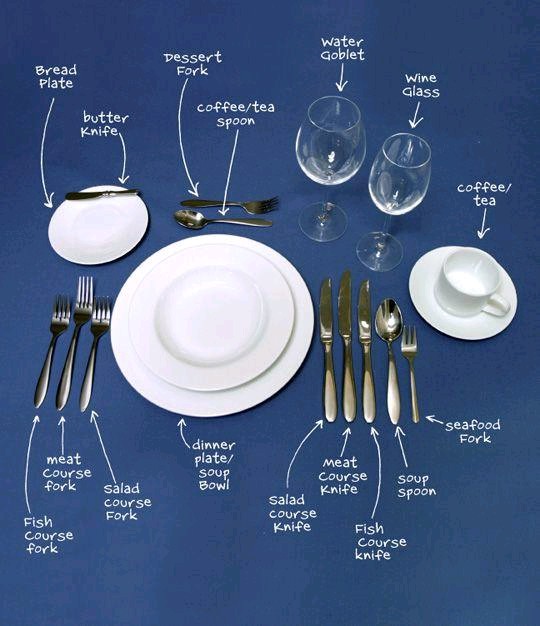
"Peralatan di meja makan" literally translates to "tableware" or "table setting" in English. It encompasses all the items placed on a dining table to facilitate the eating of a meal. This includes, but is not limited to, plates of various sizes, cutlery (forks, spoons, knives), glassware (drinking glasses, wine glasses), serving dishes, napkins, and often, decorative elements like placemats or tablecloths. The specific items included in a "peralatan di meja makan" can vary depending on the formality of the occasion and the type of cuisine being served.
In the context of "Family 100," the term takes on an added layer of significance. The game show often features questions about common household items, and "peralatan di meja makan" is a recurring theme. Contestants are asked to name items found on a typical Indonesian dining table, highlighting the importance of these objects in everyday life. Furthermore, the show often reveals regional variations in tableware and dining customs, adding another layer of complexity to the concept. For example, in some regions, it's common to use a spoon and fork, while in others, hands are the preferred utensil for certain dishes. Understanding these nuances is crucial for navigating social situations and avoiding cultural faux pas. Keywords related to this definition: tableware definition, Indonesian dining customs, table setting variations, "Family 100" game show, cultural dining etiquette.
Sejarah dan Mitos Peralatan di Meja Makan Family 100

The history of "peralatan di meja makan" is intertwined with the history of food itself. Early humans used rudimentary tools to eat, such as shells and sharpened sticks. As civilizations developed, so did the sophistication of tableware. The use of individual plates, forks, and spoons only became widespread relatively recently, primarily among the upper classes in Europe. The adoption of these practices gradually spread to other parts of the world, including Indonesia, albeit with regional adaptations.
As for myths, there are many superstitions surrounding tableware in various cultures. For example, some believe that dropping a fork means a male visitor is coming, while dropping a spoon signals the arrival of a female visitor. There are also beliefs about the proper placement of utensils on the table, with some arrangements considered lucky while others are thought to bring bad luck. While such myths may seem frivolous, they reflect the cultural significance that tableware has acquired over time. In the context of "Family 100," these historical and mythical elements can add an interesting dimension to the game, prompting contestants to think beyond the purely functional aspects of tableware and explore its cultural and historical significance. Keywords related to history and myths: history of tableware, dining superstitions, cultural significance, evolution of cutlery, mythical meanings.
Rahasia Tersembunyi Peralatan di Meja Makan Family 100

One of the "hidden secrets" of "peralatan di meja makan" is the subtle way it communicates social status and cultural values. The quality of the tableware, the materials used (e.g., silver versus stainless steel), and the intricacy of the design can all signal the host's wealth and refinement. Furthermore, the way the table is set reflects the cultural norms and traditions of the community. A formal Indonesian dinner, for example, will typically feature a meticulously arranged table setting with specific utensils for each course, showcasing the importance of hospitality and attention to detail.
Another hidden secret is the psychology behind tableware design. The shape, size, and color of plates and glasses can influence how we perceive the taste and aroma of food and drinks. Restaurants and chefs often use this knowledge to enhance the dining experience for their customers. For example, a dark-colored plate might make food appear more vibrant and appealing, while a tall, slender glass can accentuate the aroma of a particular wine. In the context of "Family 100," this knowledge can give contestants an edge by allowing them to think critically about the purpose and design of different types of tableware. Keywords related to hidden secrets: social signaling, cultural values, psychology of tableware, design influence, enhancing the dining experience.
Rekomendasi Peralatan di Meja Makan Family 100

For everyday use, a basic set of "peralatan di meja makan" consisting of plates, bowls, spoons, forks, knives, and drinking glasses is essential. These items should be durable, easy to clean, and suitable for a variety of cuisines. Stainless steel cutlery is a good choice for its durability and resistance to rust. For plates and bowls, consider materials like porcelain or stoneware, which are chip-resistant and can withstand high temperatures.
For special occasions, you might want to invest in a more elegant set of tableware with finer materials and more intricate designs. This could include items like bone china plates, silver cutlery, and crystal glassware. When choosing tableware for special occasions, consider the overall aesthetic of your dining room and select items that complement your existing decor. In the context of "Family 100," having a diverse knowledge of different types of tableware can be advantageous, as the game often features questions about both everyday and formal dining settings. Keywords related to recommendations: basic tableware set, durable materials, special occasion tableware, elegant designs, bone china, silver cutlery, crystal glassware.
Choosing the right "peralatan makan" (dining equipment) involves considering several factors, including your budget, lifestyle, and personal preferences. Before making any purchases, assess your needs and determine which items are essential for your daily meals and which are only needed for special occasions. If you have a large family or frequently entertain guests, you'll need a larger set of tableware than someone who lives alone.
When selecting materials, prioritize durability and ease of cleaning. Stainless steel cutlery is a popular choice for its resistance to rust and its dishwasher-safe properties. For plates and bowls, consider materials like porcelain, stoneware, or melamine, depending on your budget and desired level of durability. Melamine is a lightweight and shatter-resistant option that's ideal for families with young children. Consider the aesthetic appeal of the tableware and choose items that complement your existing kitchen decor. You can mix and match different styles and patterns to create a unique and personalized table setting. In the context of "Family 100," the game might ask what material is commonly used for specific dishes or cutlery, testing contestants' knowledge of dining materials.
Tips Peralatan di Meja Makan Family 100

One key tip for mastering "peralatan di meja makan" is to understand the basic principles of table setting. The placement of utensils follows a simple rule: work from the outside in. The utensils you'll use first are placed furthest from the plate, while those you'll use last are placed closest to the plate. The fork is typically placed to the left of the plate, while the knife and spoon are placed to the right. The knife blade should always face the plate.
Another important tip is to practice good dining etiquette. This includes things like using your napkin properly, chewing with your mouth closed, and avoiding talking with your mouth full. While these may seem like small details, they can make a big difference in how you're perceived by others. In the context of "Family 100," questions about table setting and dining etiquette are common, so it's helpful to brush up on your knowledge of these topics. Furthermore, contestants are often asked about regional variations in dining customs, so it's useful to be aware of the different ways people eat in different parts of Indonesia. Keywords related to tips: table setting principles, dining etiquette, napkin usage, chewing habits, regional variations.
Cara Merawat Peralatan Makan Agar Awet
Proper care and maintenance are essential for extending the lifespan of your "peralatan makan". Always wash your tableware promptly after use to prevent food from hardening and becoming difficult to remove. Use a mild detergent and avoid abrasive cleaners, which can scratch or damage the surface of your dishes and cutlery. For silverware, it's best to wash it by hand to prevent tarnishing. If you do use a dishwasher, be sure to separate silverware from stainless steel items to prevent galvanic corrosion.
Store your tableware properly to protect it from damage. Stack plates and bowls carefully to avoid chipping or cracking. Store silverware in a drawer or container to prevent it from getting scratched or bent. For glassware, store it upside down to prevent dust from accumulating inside. In the context of "Family 100," a question might be asked about the best way to clean silverware or store glassware, testing contestants' knowledge of tableware care. Keywords related to maintenance: washing techniques, silverware care, proper storage, preventing damage, extending lifespan.
Fun Facts Peralatan di Meja Makan Family 100

Did you know that the fork wasn't always a common utensil? It wasn't until the 17th century that forks started to gain widespread acceptance in Europe. Before that, people primarily ate with spoons and knives, or simply used their hands. The earliest forks only had two prongs, and they were primarily used for spearing meat. The four-pronged fork that we know today didn't become common until the 19th century.
Another fun fact is that the placement of the napkin on the table has specific meaning in some cultures. In some European countries, placing your napkin on your chair when you leave the table indicates that you plan to return, while placing it on the table signals that you're finished with your meal. These subtle nuances can be helpful to know when dining in different cultures. In the context of "Family 100," these types of trivia can add an element of surprise and amusement to the game. Contestants might be asked about the history of a particular utensil or the cultural significance of a specific table setting practice. Keywords related to fun facts: fork history, napkin etiquette, cultural nuances, trivia, dining customs.
Cara Menggunakan Peralatan di Meja Makan Family 100

The correct way to use "peralatan di meja makan" often depends on the type of food being served and the formality of the occasion. In general, you should start with the utensils that are placed furthest from your plate and work your way in towards the plate as the meal progresses. When eating soup, tilt the bowl away from you and scoop the soup towards you with the spoon. Avoid slurping loudly. When cutting meat, hold the fork firmly in your left hand and the knife in your right hand. Cut only one or two bites at a time and transfer the meat to your mouth with the fork.
When drinking from a glass, hold it by the stem to avoid warming the liquid with your hand. Avoid making loud clinking noises when toasting. In the context of "Family 100," contestants might be asked to demonstrate the proper way to use a particular utensil or describe the correct etiquette for a specific dining situation. This tests their practical knowledge of dining customs and their ability to apply that knowledge in real-world scenarios. Keywords related to usage: utensil techniques, soup etiquette, meat cutting, glass holding, toasting customs.
Bagaimana jika Peralatan di Meja Makan Family 100

What if you find yourself at a formal dinner and you're unsure of which utensil to use? The best approach is to observe what others are doing and follow their lead. If you're still unsure, don't be afraid to politely ask your host or a nearby guest for clarification. It's always better to ask than to make a mistake that could cause embarrassment.
What if you accidentally drop a utensil on the floor? Don't try to pick it up yourself. Alert a waiter or your host and they will replace it for you. What if you spill food or drink on the table? Apologize and discreetly clean it up with your napkin. If the spill is significant, ask a waiter or your host for assistance. In the context of "Family 100," scenarios like these could be presented to contestants to test their knowledge of dining etiquette and their ability to handle unexpected situations with grace and poise. Keywords related to "what if" scenarios: dining mistakes, handling accidents, seeking assistance, polite behavior, unexpected situations.
List Peralatan di Meja Makan Family 100

Here's a list of common "peralatan di meja makan" you might encounter on "Family 100":
1.Piring Makan (Dinner Plate): Used for the main course.
2.Piring Salad (Salad Plate): Smaller than a dinner plate, used for salads or appetizers.
3.Mangkuk Sup (Soup Bowl): Used for serving soup.
4.Sendok Makan (Spoon): Used for soup, rice, and other dishes.
5.Garpu Makan (Fork): Used for most solid foods.
6.Pisau Makan (Knife): Used for cutting meat and other foods.
7.Gelas Air (Water Glass): Used for serving water.
8.Gelas Anggur (Wine Glass): Used for serving wine.
9.Cangkir Kopi/Teh (Coffee/Tea Cup): Used for serving coffee or tea.
10.Serbet (Napkin): Used for wiping hands and mouth.
This list is not exhaustive, but it covers the most common items you'll find on a typical Indonesian dining table. Other items that might be included are serving dishes, placemats, and decorative centerpieces. In the context of "Family 100," contestants might be asked to identify these items by name or describe their function. Keywords related to listicle: tableware list, dinner plate, salad plate, soup bowl, spoon, fork, knife, glasses, napkin.
Pertanyaan dan Jawaban tentang

Here are some frequently asked questions about "peralatan di meja makan Family 100":Q: What is the proper way to set a table for a formal dinner?
A: A formal table setting typically includes a dinner plate, a salad plate, a soup bowl, a bread plate, a water glass, a wine glass, a fork, a knife, a spoon, and a napkin. The utensils are arranged in the order they will be used, working from the outside in.
Q: What is the difference between a dinner fork and a salad fork?
A: A dinner fork is larger than a salad fork and has longer tines. A salad fork is typically used for salads or appetizers.
Q: What is the proper way to use a napkin?
A: Place the napkin on your lap when you sit down and use it to wipe your hands and mouth as needed. If you need to leave the table temporarily, place the napkin on your chair. When you're finished with your meal, place the napkin on the table to the left of your plate.
Q: What is the best way to clean silverware?
A: Hand washing is the best way to clean silverware. Use a mild detergent and avoid abrasive cleaners. Dry silverware immediately after washing to prevent tarnishing.
Kesimpulan tentang Peralatan di Meja Makan Family 100

Understanding "peralatan di meja makan Family 100" isn't just about knowing the names of different dishes and utensils; it's about appreciating the cultural significance of dining and enhancing your own dining experiences. From mastering basic table setting to navigating formal dinners with confidence, the knowledge you've gained in this guide will empower you to enjoy meals with greater ease and sophistication. And who knows, maybe you'll even impress your friends with your "Family 100" knowledge!



Comments
Post a Comment