peralatan makan cutlery
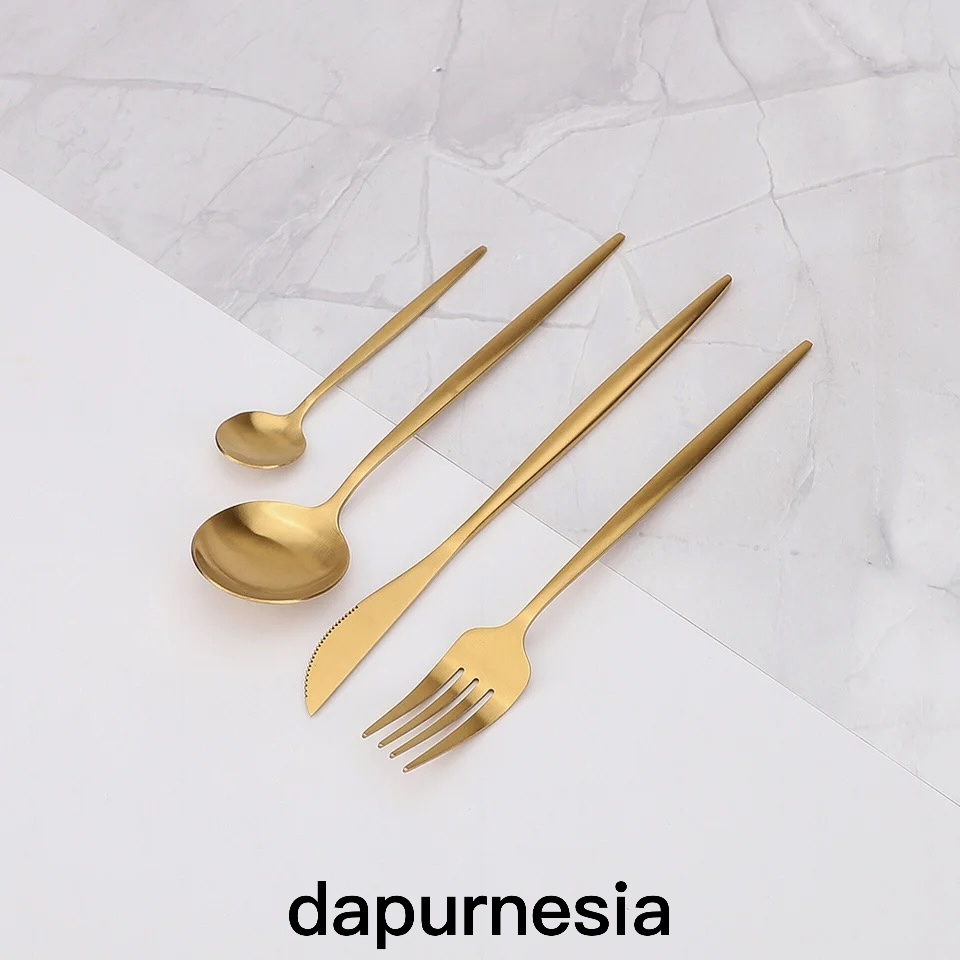
Ever stopped to consider the humble tools that grace our tables every day? We often take them for granted, but they play a vital role in our dining experience. From the satisfying clink of a fork against a plate to the smooth feel of a spoon in our hand, cutlery shapes how we enjoy our meals.
Have you ever struggled to cut through a tough steak with a flimsy knife? Or perhaps felt the discomfort of a poorly balanced spoon? These small inconveniences can subtly detract from the pleasure of eating, leaving you less than satisfied. We all want tools that perform flawlessly and feel good to use.
This exploration of "peralatan makan," or cutlery, aims to enlighten you about these essential implements. We'll delve into their history, different types, proper usage, care, and even some fun facts! Whether you're a seasoned food enthusiast or simply curious about the world around you, this guide will equip you with a newfound appreciation for the art of dining.
We'll be covering the fascinating history of cutlery, exploring the diverse materials they're made from, and providing valuable tips on selecting the perfect set for your needs. You'll discover the secret language of table settings and learn how to properly care for your treasured silverware. Get ready to uncover the hidden secrets and surprising stories behind these everyday essentials – peralatan makan!
My First Silver Spoon: A Personal Cutlery Journey
I remember receiving my first "real" set of cutlery. It wasn't just any set; it was a small, silver spoon engraved with my initials. My grandmother gifted it to me when I was a child. Back then, I didn't understand the significance. It was just a shiny spoon. But as I grew older, that spoon became a symbol of family, tradition, and the simple elegance of sharing a meal. It represents a moment in time where my family cared about me.
That initial experience has turned into the recognition that different situations require different types of "peralatan makan." Using a plastic spoon for a formal dinner seems out of place. The correct tool, like a delicate dessert fork for a rich chocolate cake, enhances the overall experience. It's about more than just functionality; it's about creating an atmosphere and appreciating the details.
The world of "peralatan makan" is vast and varied. From the simple stainless-steel sets we use daily to the elaborate silver services reserved for special occasions, each piece tells a story. Consider the weight, balance, and design. A well-crafted knife effortlessly slices through meat, a perfectly curved spoon cradles soup, and a sturdy fork holds its own against a hearty salad. The material plays a huge role.
Each type of cutlery adds to the satisfaction of each meal.
And that is the purpose of silverware.
Apa itu Peralatan Makan? An Introduction to Cutlery
"Peralatan makan," the Indonesian term for cutlery, encompasses all the implements we use for eating. This includes knives, forks, spoons, and various specialized tools like serving utensils, butter knives, and even chopsticks. But it's more than just the tools themselves; it's about the etiquette and tradition surrounding their use.
"Peralatan makan" comes in a variety of materials, from stainless steel and silver to plastic and wood. The choice of material often depends on the occasion, budget, and personal preference. Stainless steel is durable and affordable, making it ideal for everyday use. Silver is elegant and timeless, often reserved for formal gatherings. Plastic is convenient for picnics and casual meals, while wood adds a rustic charm to any table setting.
Beyond the basic implements, "peralatan makan" can also include specialized tools for specific foods. Think oyster forks, lobster crackers, and even grapefruit spoons! Each tool is designed to make eating a particular food easier and more enjoyable. Understanding the different types of cutlery and their intended uses can elevate your dining experience and impress your guests.
The right utensils are as important to enjoying food, as the ingredients. A good knife makes cutting meat and vegetables a pleasure. When looking at various types of utensils, always consider comfort and practicality.
A History of Cutlery: From Ancient Spoons to Modern Forks
The history of "peralatan makan" is a fascinating journey through time, reflecting changing customs and culinary innovations. Spoons were among the earliest eating utensils, dating back to prehistoric times. These early spoons were often made from natural materials like shells, wood, or animal horns. Knives also have a long history, initially used for hunting and preparing food before becoming a standard table utensil.
Forks, however, were a relatively late addition to the table. They originated in the Eastern Roman Empire and were initially viewed with suspicion in Europe, considered overly decadent and unnecessary. It wasn't until the 17th century that forks gained widespread acceptance, becoming an essential part of the Western dining experience.
The materials used to make "peralatan makan" have also evolved over time. Bronze, iron, and silver were all popular choices throughout history. The rise of stainless steel in the 20th century revolutionized cutlery production, making durable and affordable utensils accessible to the masses. Each step in the evolution has added comfort to human's lives.
There are myths that silver cutlery was only used by the upper class. This is partially true because lower income families could not afford the cost of silver. However, as manufacturing became easier, silver cutlery became more affordable.
The Hidden Language of Cutlery: Etiquette and Table Settings
Beyond their practical function, "peralatan makan" plays a role in the subtle language of table etiquette. The way cutlery is arranged and used can convey messages to your host or server. For example, placing your knife and fork parallel to each other across your plate signals that you are finished eating. Resting them at an angle means you are taking a break.
The placement of "peralatan makan" in a formal table setting follows a specific order. The fork goes to the left of the plate, the knife to the right, with the blade facing inwards. Spoons are placed to the right of the knife. Dessert utensils are often placed above the plate. Understanding these rules can help you navigate formal dinners with confidence and grace.
Breaking the rules of silverware can be viewed as rude. In particular, it is bad form to ask for utensils to be replaced because you are using them for something other than their intended purpose. If you are eating in a social event, you may be seen as less than if you are unaware of these unspoken rules of etiquette.
The positioning of your utensils is not only an etiquette, but also a signal to the server. If you utensils are positioned to show you are not done, you can go to the restroom without worrying that your food will be taken away.
Choosing the Right Cutlery: A Guide to Selecting the Perfect Set
Selecting the right "peralatan makan" can feel overwhelming, given the wide variety of styles, materials, and price points available. Start by considering your needs and lifestyle. Do you host formal dinners frequently, or do you primarily eat casual meals at home? This will help you determine the appropriate level of formality and durability.
Material is another key factor. Stainless steel is a practical choice for everyday use, while silver adds a touch of elegance for special occasions. Consider the weight and balance of the cutlery. Heavier utensils often feel more substantial and comfortable in the hand. Look for sets with a timeless design that will complement your existing tableware.
When you buy a set, consider how often you entertain guests. Buying a set for 4 may not be the most ideal if you usually have a dinner party with more guests. In this case, buying at least 8 is more ideal. Remember that it is more difficult to find the same set of silverware a few years down the line if you need to replenish it.
If you are planning to get married, you may want to consider adding a silverware set to your wedding registry. This ensures that you will have a beautiful and functional gift to start your married life.
Peralatan Makan and Food Presentation: Enhancing the Dining Experience
The presentation of food is just as important as the taste. "Peralatan makan" plays a role in enhancing the visual appeal of a dish. Imagine serving a delicate mousse with a heavy, clunky spoon. It would completely detract from the experience. Choosing the right cutlery can elevate the presentation and make the meal more enjoyable.
Consider the size, shape, and material of the cutlery when plating your food. A small dessert fork is perfect for delicate pastries, while a large soup spoon is ideal for hearty stews. Silver cutlery can add a touch of elegance to a formal dinner, while wooden utensils can create a rustic, natural feel. The plating of food and utensils will elevate the customer's impression of the food.
The way you arrange the cutlery on the plate can also enhance the presentation. Arrange the utensils in a way that is visually appealing and easy to use. Consider the placement of garnishes and sauces to create a balanced and harmonious composition. A meal that is visually appealing is more likely to be enjoyed, as it stimulates the appetite and creates a sense of anticipation.
When planning a dinner party, try to choose an overall theme to tie the food and presentation together. This adds a level of cohesion that elevates the entire meal. A particular theme may suggest the type of material or silverware that you should use.
Caring for Your Cutlery: Tips for Keeping Your Peralatan Makan Sparkling
Proper care is essential for maintaining the beauty and longevity of your "peralatan makan." Stainless steel cutlery is relatively easy to care for and can be washed in the dishwasher. However, hand washing is always recommended for delicate pieces or those with intricate designs. Silver cutlery requires more attention, as it can tarnish over time.
To prevent tarnishing, store your silver cutlery in a tarnish-resistant cloth or case. Avoid exposing it to harsh chemicals or acidic foods. When hand washing, use a mild detergent and warm water. Dry thoroughly with a soft cloth to prevent water spots. For stubborn tarnish, use a silver polish specifically designed for cutlery.
Proper care will ensure that your "peralatan makan" remains beautiful and functional for years to come. Treat your cutlery with respect, and it will reward you with years of enjoyable dining experiences. Do not put excessive force on your cutlery. Using them for something other than its intended purpose may damage the utensil.
After your silverware is cleaned, be sure to dry them completely. Leaving them to air dry may leave water marks that become difficult to remove. Use a soft cloth to prevent scratches when wiping.
Choosing the Right Material: Stainless Steel, Silver, and More
The material used to make "peralatan makan" greatly influences its durability, appearance, and price. Stainless steel is a popular choice due to its affordability, durability, and resistance to rust and corrosion. It's a practical option for everyday use and requires minimal maintenance.
Silver cutlery is prized for its elegance and timeless appeal. However, it's more expensive and requires regular polishing to prevent tarnishing. Silver-plated cutlery offers a more affordable alternative, but the plating can wear off over time. Other materials like wood, plastic, and bamboo are also used, each offering its own unique aesthetic and practical advantages.
When choosing a material, consider your lifestyle, budget, and personal preferences. If you prioritize durability and convenience, stainless steel is the way to go. If you value elegance and tradition, silver may be worth the investment. Ultimately, the best material is the one that suits your needs and complements your personal style.
The shape and size of cutlery also play a role. Consider the different types of cutlery available, such as dinner forks, salad forks, dessert spoons, and soup spoons. Choose a set that includes the pieces you use most often. If you entertain frequently, you may want to invest in a larger set with more serving utensils.
Fun Facts About Cutlery: Surprising Tidbits and Trivia
Did you know that the word "spoon" comes from the Old English word "spon," meaning a chip of wood? Or that forks were once considered a sign of vanity and were even denounced by some religious leaders? The history of "peralatan makan" is filled with surprising tidbits and trivia that make these everyday objects even more fascinating.
In some cultures, it's considered bad luck to drop a piece of cutlery on the floor. In others, the way you place your knife and fork on your plate can convey different messages to your host. These cultural nuances highlight the importance of understanding local customs when dining in different parts of the world.
In ancient times, people typically carried their own knife and spoon to meals. This was because the cleanliness of restaurant utensils could not be assured. When people travel now, it is very rare for people to bring their own utensils. You can usually find these at any restaurant or vendor.
Whether you're a history buff, a food enthusiast, or simply curious about the world around you, these fun facts will give you a new appreciation for the humble tools that grace our tables every day.
Cara Set a Table: A Step-by-Step Guide to Peralatan Makan Placement
Setting a table properly can seem daunting, especially for formal occasions. But with a few simple guidelines, you can create an elegant and inviting dining experience. Start by placing the dinner plate in the center of the setting. The fork goes to the left of the plate, and the knife goes to the right, with the blade facing inwards. The spoon goes to the right of the knife.
If serving salad, place the salad fork to the left of the dinner fork. The dessert spoon and fork are placed above the plate, with the spoon facing right and the fork facing left. The bread plate goes to the upper left of the setting, with the butter knife placed on top.
Glasses are placed to the upper right of the setting, with the water glass closest to the plate, followed by the wine glasses. Remember, the key is to create a balanced and symmetrical arrangement that is both visually appealing and functional. With a little practice, you'll be setting tables like a pro in no time.
If you are unsure, there are many resources online that show the proper way to arrange utensils at each place setting. It will show you which glass goes where, and which silverware goes on each side. Following this guide may improve the customer's impression of your hospitality skills.
Bagaimana jika Cutlery Didn't Exist?: Imagining a World Without Peralatan Makan
Imagine a world without "peralatan makan." How would we eat our meals? We would eat everything with our hands. Soups would be a challenge, requiring us to drink directly from bowls. Cutting meat would be messy and inefficient. The simple act of eating would become a far more complicated and less civilized affair.
The absence of cutlery would also have a profound impact on our culture and social interactions. Formal dinners would be impossible, and the art of table setting would cease to exist. We would lose the subtle language of etiquette and the shared experience of dining together in a refined and elegant setting.
The development of cutlery has played a significant role in shaping our culinary traditions and social customs. It has allowed us to enjoy our meals in a more hygienic, efficient, and elegant manner. We must be grateful to have access to these tools. Without cutlery, much of modern dining and cooking would not be possible.
A Listicle of Cutlery Essentials: Building Your Peralatan Makan Collection
Building a well-rounded "peralatan makan" collection doesn't have to be expensive or complicated. Here's a list of essential pieces to get you started:
1.Dinner Forks: The workhorse of the cutlery world, essential for almost every meal.
2.Dinner Knives: Sharp and durable, for cutting meat, vegetables, and more.
3.Dinner Spoons: Perfect for soups, stews, and desserts.
4.Teaspoons: Ideal for coffee, tea, and smaller portions.
5.Salad Forks: Smaller than dinner forks, designed for salads and appetizers.
6.Butter Knives: For spreading butter, jam, and other condiments.
7.Serving Spoons: For serving dishes at the table.
8.Serving Forks: For serving salads, meats, and other main courses.
9.Soup Ladle: For serving soup from a pot or tureen.
10.Cake Server: For serving slices of cake and other desserts.
With these essential pieces, you'll be well-equipped to handle any dining situation. From casual meals to formal gatherings, you'll have the right tools to create a memorable and enjoyable experience.
Pertanyaan dan Jawaban tentang Peralatan Makan
Q:What is the best material for everyday cutlery?
A: Stainless steel is generally considered the best material for everyday cutlery due to its durability, affordability, and ease of maintenance.
Q: How do I prevent my silver cutlery from tarnishing?
A: Store your silver cutlery in a tarnish-resistant cloth or case, avoid exposing it to harsh chemicals or acidic foods, and polish it regularly with a silver polish specifically designed for cutlery.
Q: What is the correct way to set a table for a formal dinner?
A: Place the dinner plate in the center of the setting, with the fork to the left, the knife to the right (blade facing inwards), and the spoon to the right of the knife. Dessert utensils are placed above the plate, and glasses are placed to the upper right.
Q: Are there any cultural differences in cutlery usage?
A: Yes, many cultures have unique customs regarding cutlery usage. For example, in some Asian countries, chopsticks are the primary eating utensil, while in others, it's considered rude to cut your food with a knife.
Kesimpulan tentang Peralatan Makan
From humble beginnings to its modern-day sophistication, "peralatan makan" has played a significant role in shaping our dining experiences. Whether you prefer the practicality of stainless steel or the elegance of silver, understanding the history, etiquette, and proper care of cutlery can enhance your enjoyment of every meal. So, the next time you pick up a fork or spoon, take a moment to appreciate the artistry and functionality of these essential tools. They are more than just implements; they are a reflection of our culture, our traditions, and our shared human experience. Hopefully, this article has enriched your understanding and appreciation of the world of "peralatan makan."



Comments
Post a Comment