peralatan makan anak
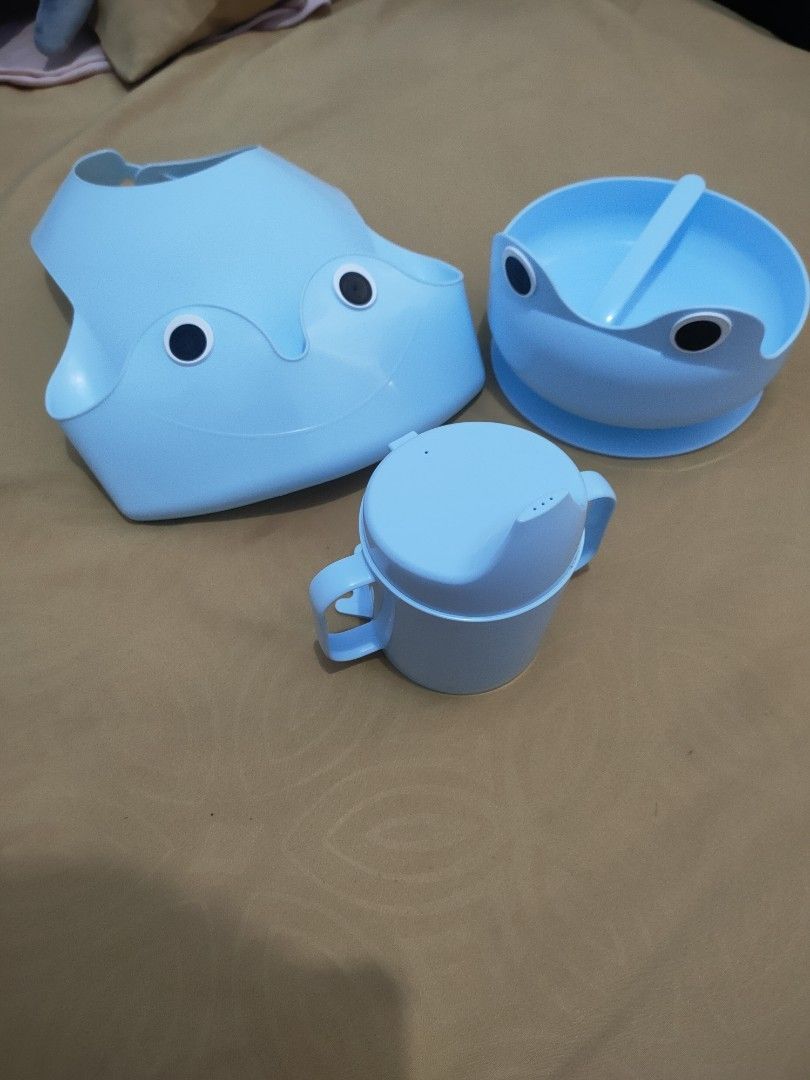
Remember the days when mealtime with your little one felt more like a battle than a bonding experience? Food flying across the room, endless negotiations, and the constant worry about whether they're getting enough nutrients… it's a universal experience for parents everywhere.
Let's be honest, getting kids to eat can be a challenge. It's not just about the food itself; it's about the whole experience. Are they comfortable? Are they engaged? Are they even capable of managing the utensils they're given? The wrong tools can quickly turn a simple meal into a stressful event for everyone involved. From tiny hands struggling with adult-sized forks to slippery bowls that end up on the floor, finding the right solutions can feel like an endless quest.
This guide is for every parent who wants to make mealtime a little easier, a little more fun, and a lot less messy. We'll explore the world of "peralatan makan anak" – the tools and accessories designed specifically to help children develop their eating skills and enjoy their meals. From ergonomic designs to playful colors, we'll cover everything you need to know to choose the best options for your little ones.
In this exploration of "peralatan makan anak," we'll delve into practical tips, recommendations, and even some fun facts to transform mealtimes. We'll consider materials, safety, and age-appropriateness, equipping you with the knowledge to make informed choices that support your child's development and create positive associations with food. Ultimately, our goal is to empower you to make mealtime a happy and successful experience for both you and your child.
Kenapa Peralatan Makan Anak Penting?
I remember when my niece, Anya, was learning to eat independently. She was so eager to try, but her little hands just couldn't quite grip the regular spoons and forks. Every attempt ended with food everywhere but in her mouth! It was frustrating for her, and admittedly, a bit stressful for her parents. That's when my sister started looking into "peralatan makan anak" – specifically designed utensils that were smaller, lighter, and easier for Anya to hold. The difference was night and day. She was suddenly much more confident and successful, and mealtime became a lot more enjoyable for everyone.
The importance of "peralatan makan anak" goes beyond just convenience. It plays a crucial role in a child's development of fine motor skills, hand-eye coordination, and independence. When children are given tools that fit their size and abilities, they're more likely to succeed and less likely to become discouraged. This, in turn, can foster a positive relationship with food and encourage healthy eating habits from a young age. Peralatan makan anak membantu anak-anak untuk belajar makan sendiri dengan nyaman dan aman. Peralatan ini dirancang khusus untuk ukuran dan kemampuan anak-anak, sehingga mereka dapat lebih mudah memegang dan menggunakan peralatan makan. Dengan demikian, mereka menjadi lebih mandiri dan percaya diri dalam makan. This includes baby spoons, silicone bibs, and even plates with suction cups to prevent spills. Keywords include: baby spoons, silicone bibs, suction plates, toddler utensils.
Jenis-Jenis Peralatan Makan Anak
"Peralatan makan anak" encompasses a wide range of items, each designed to serve a specific purpose and cater to different age groups and developmental stages. From the soft, flexible spoons used during the weaning process to the durable, spill-proof plates and bowls perfect for toddlers, the options are endless. The right choice depends on your child's age, skills, and personal preferences.
The most basic type is the spoon, usually made of silicone or plastic. These are gentle on a baby's gums and are designed for small mouths. As children grow, they can transition to forks and knives, specifically designed with rounded edges for safety. Plates and bowls also come in various materials, including plastic, silicone, and even bamboo. Many feature suction cups to keep them securely in place, minimizing spills. Sippy cups and straw cups are essential for transitioning from bottles to regular cups, helping children develop their sipping skills without making a mess. Finally, bibs are a must-have to protect clothing from stains. Materials like silicone are easy to clean and often feature a built-in pocket to catch dropped food. Keywords include: baby utensils, toddler plates, sippy cups, straw cups, silicone bibs.
Sejarah dan Mitos Peralatan Makan Anak
While the concept of "peralatan makan anak" might seem relatively modern, the desire to provide children with tools that meet their specific needs is not new. Historically, families often made do with smaller versions of adult utensils or repurposed existing items. However, the development of specialized children's tableware gained momentum in the 20th century, driven by advancements in materials and manufacturing processes, as well as a growing understanding of child development.
One common "myth" surrounding "peralatan makan anak" is that they are unnecessary and that children can simply use regular adult utensils. While this may be true for some older children, providing age-appropriate tools can significantly improve a child's eating experience and foster independence. Another myth is that all "peralatan makan anak" are created equal. In reality, the quality and safety of these products can vary widely, making it essential to choose reputable brands and materials that are free from harmful chemicals. The origin started with the invention of child proof products. Keywords include: child development, history of baby products, child proof materials, baby safe utensils.
Rahasia Tersembunyi Peralatan Makan Anak
The real "secret" behind effective "peralatan makan anak" lies in their ability to promote independence and confidence in young eaters. By providing children with tools that fit their hands and abilities, we empower them to explore food and develop their eating skills at their own pace. This can lead to a more positive and enjoyable mealtime experience for both children and parents.
Beyond the practical aspects, "peralatan makan anak" can also be a fun and engaging way to introduce children to new foods. Colorful and playful designs can pique their interest and encourage them to try new things. For example, a plate shaped like an animal or a spoon with a fun character can make mealtime more appealing and less intimidating. Consider plates that include dividers, this can help in separating food items for picky eaters. Parents can also create designs with the food, so that they look more engaging. Keywords include: independence in eating, confidence in eating, how to engage picky eaters, kids friendly plate design.
Rekomendasi Peralatan Makan Anak
When choosing "peralatan makan anak," safety and material are paramount. Look for products made from BPA-free plastic, silicone, or bamboo. These materials are non-toxic and easy to clean. Durability is also a key consideration, especially for toddlers who are prone to throwing or dropping their utensils.
Some popular and highly recommended brands include Munchkin, OXO Tot, and Avanchy. Munchkin offers a wide range of affordable and practical options, including spill-proof bowls and utensils with ergonomic handles. OXO Tot is known for its high-quality and stylish designs, with features like non-slip bases and comfortable grips. Avanchy specializes in sustainable and eco-friendly options made from bamboo, with suction bases that keep plates securely in place. Consider features like easy-grip handles, non-slip surfaces, and spill-proof designs. Reading online reviews and comparing different products can also help you make an informed decision. Keywords include: BPA-free, Munchkin, OXO Tot, Avanchy, best baby utensils.
Memilih Bahan yang Aman
When selecting "peralatan makan anak," prioritizing safe materials is crucial for your child's well-being. BPA, phthalates, and lead are harmful chemicals that can leach into food and potentially pose health risks. Therefore, opting for products labeled as BPA-free, phthalate-free, and lead-free is essential.
Silicone is a popular choice for baby utensils due to its softness, flexibility, and heat resistance. It's also easy to clean and doesn't harbor bacteria. Plastic is another common material, but it's important to choose food-grade plastic that is specifically designed for children's products. Bamboo is a sustainable and eco-friendly option that is naturally antibacterial and biodegradable. Stainless steel is durable and non-reactive, but it can be heavy for younger children. Always check the product label to ensure that it meets safety standards and is appropriate for your child's age and developmental stage. Baby safe materials are an important consideration. Keywords include: BPA free plastic, phthalate free, lead free, baby safe material, food grade plastic.
Tips Membeli Peralatan Makan Anak
Before you start shopping for "peralatan makan anak," take some time to assess your child's specific needs and preferences. Consider their age, developmental stage, and eating habits. Are they just starting to wean, or are they already eating solid foods? Do they prefer using a spoon or their fingers? Do they tend to spill food easily?
Once you have a clear understanding of your child's needs, you can start narrowing down your options. Focus on products that are age-appropriate, safe, and easy to clean. Look for features like ergonomic handles, non-slip surfaces, and spill-proof designs. Don't be afraid to experiment with different types of utensils and tableware to see what works best for your child. You can also involve your child in the selection process by letting them choose their favorite colors or characters. This can make them more excited about mealtime and encourage them to use their new "peralatan makan." Focus on what can help make things easier, and less messy. Keywords include: kids friendly, fun, attractive, less messy, easy to use.
Cara Merawat Peralatan Makan Anak
Proper care and maintenance of "peralatan makan anak" are essential to ensure their longevity and safety. Always wash utensils and tableware thoroughly after each use with warm, soapy water. For silicone and plastic items, you can also use a dishwasher, but be sure to check the manufacturer's instructions first.
Avoid using harsh chemicals or abrasive cleaners, as these can damage the materials and potentially leach harmful substances into food. For stubborn stains, you can try soaking the items in a mixture of baking soda and water. Regularly inspect "peralatan makan anak" for any signs of wear and tear, such as cracks, chips, or broken pieces. Discard any damaged items immediately to prevent choking hazards. Store "peralatan makan anak" in a clean, dry place to prevent the growth of bacteria or mold. Regularly cleaning and sterilizing the equipment can prevent build-up of mold and bacteria. Keywords include: kids utensils cleaning, kids utensils care, kids utensils hygiene, kids utensils sterilization, how to clean kids utensils.
Fakta Menarik Peralatan Makan Anak
Did you know that some "peralatan makan anak" are designed with built-in temperature sensors? These sensors change color to indicate when food is too hot for a child to eat, helping to prevent burns. Another fun fact is that many sippy cups are designed with a valve that only opens when a child is actively sucking, preventing spills and leaks.
"Peralatan makan anak" are not just functional; they can also be educational. Some plates and bowls feature letters, numbers, or shapes, which can help children learn while they eat. Utensils with textured handles can provide sensory stimulation and help children develop their fine motor skills. The evolution of "peralatan makan anak" is remarkable, with innovations constantly emerging to make mealtime easier, safer, and more enjoyable for both children and parents. The first type of baby safe equipment was made from silicone. Keywords include: kids utensils history, kids utensils fact, kids utensils fun, kids utensils education, temperature sensors kids utensils.
Bagaimana Memperkenalkan Peralatan Makan Anak
Introducing "peralatan makan anak" to your child should be a gradual and positive experience. Start by letting them explore the utensils and tableware during playtime. Let them touch, hold, and even mouth the items to get familiar with them. When it's time to eat, offer them the utensils and encourage them to try using them.
Don't force your child to use the "peralatan makan" if they're not ready. Let them eat with their fingers if they prefer. The goal is to create a positive association with mealtime, not to pressure them into doing something they're not comfortable with. Offer praise and encouragement when they do use the "peralatan makan," even if it's just for a few bites. Over time, they'll become more confident and proficient in using the tools. You can model by showing how to use the utensils. Keywords include: how to use kids utensils, how to make kids love the utensils, how to make kids independent with utensils, kids utensils introduction, kids utensils playtime.
Bagaimana Jika Anak Tidak Mau Menggunakan Peralatan Makan Anak
It's not uncommon for children to resist using "peralatan makan anak" at first. They may be more comfortable eating with their fingers, or they may simply be resistant to change. The key is to be patient and understanding. Don't force your child to use the utensils if they're not ready. Instead, try offering them the utensils alongside their usual finger foods.
Make mealtime a fun and engaging experience. Use colorful plates and bowls, and offer a variety of healthy and appealing foods. Let your child choose what they want to eat and how they want to eat it. You can also try involving your child in the meal preparation process. Letting them help you wash vegetables or stir ingredients can make them more interested in trying new foods and using their "peralatan makan." Give them time and be patient with their development. Keywords include: make kids love eating, kids engagement, kids encouragement, eating habit, finger food vs utensils.
Daftar Peralatan Makan Anak yang Harus Dimiliki
Creating a comprehensive set of "peralatan makan anak" can set you up for mealtime success. Here's a list of essentials to consider: Baby spoons: Soft, flexible spoons for introducing solids. Toddler forks and knives: Rounded edges for safety and easy grip handles. Plates and bowls: Durable, spill-proof options with suction cups. Sippy cups and straw cups: For transitioning from bottles to regular cups. Silicone bibs: Easy to clean and with a built-in pocket to catch food. Food containers: For packing snacks and meals on the go. High chair: A safe and comfortable place for your child to eat. Splatter mat: To protect your floors from spills and stains. Baby food maker: For preparing homemade baby food. Snack containers: To store food for on the go snacks. Keywords include: all about kids utensils, all about eating equipment, baby eating checklist, baby utensils checklist, kids utensils listicle.
Pertanyaan dan Jawaban tentang
Q: Kapan sebaiknya mulai memperkenalkan peralatan makan anak?
A: Sebaiknya mulai memperkenalkan peralatan makan anak saat bayi mulai menunjukkan minat pada makanan padat, biasanya sekitar usia 6 bulan.
Q: Bagaimana cara membersihkan peralatan makan anak dengan benar?
A: Cuci peralatan makan anak dengan air sabun hangat setelah setiap kali digunakan. Anda juga dapat menggunakan mesin pencuci piring untuk beberapa jenis peralatan makan, tetapi pastikan untuk memeriksa instruksi dari pabrikan.
Q: Apa bahan yang paling aman untuk peralatan makan anak?
A: Bahan yang aman untuk peralatan makan anak termasuk silikon, plastik bebas BPA, dan bambu.
Q: Bagaimana cara mengatasi anak yang picky eater?
A: Tawarkan berbagai jenis makanan, sajikan makanan dengan cara yang menarik, dan libatkan anak dalam proses persiapan makanan. Jangan memaksa anak untuk makan, tetapi terus tawarkan makanan yang sehat dan bergizi.
Kesimpulan tentang Peralatan Makan Anak
"Peralatan makan anak" are more than just tools; they are enablers of independence, confidence, and positive mealtime experiences. By carefully selecting the right items based on your child's age, developmental stage, and preferences, you can create a supportive environment that encourages healthy eating habits and makes mealtime a joy for both you and your little one. Remember to prioritize safety, durability, and ease of cleaning, and don't be afraid to experiment with different options until you find what works best for your family. Happy eating!



Comments
Post a Comment