Imagine setting a table that doesn't just hold food, but elevates the entire dining experience. It's about more than just practicality; it's about creating a moment, a memory. But sometimes, putting together the perfect table setting can feel overwhelming, a jumble of options and unspoken rules.
Have you ever felt lost in a sea of forks and spoons, unsure which one is meant for what? Or perhaps you've struggled to find a cohesive style that reflects your personal taste while still being appropriate for the occasion? The subtle nuances of table setting can be surprisingly complex, leading to frustration and even a little embarrassment.
This article aims to demystify the world of "contoh peralatan makan," or examples of dining equipment. We'll explore different types of tableware, understand their purposes, and learn how to arrange them elegantly and functionally. Whether you're hosting a formal dinner party or simply want to elevate your everyday meals, this guide will provide you with the knowledge and confidence to create beautiful and inviting table settings.
From understanding the essential components like plates, cutlery, and glassware to exploring different styles and arrangements, we'll cover everything you need to know about creating the perfect table setting. Get ready to transform your dining experience and impress your guests with your newfound knowledge of "contoh peralatan makan". We'll delve into topics like essential tableware, formal vs. informal settings, historical context, and practical tips for everyday use.
Jenis-jenis Peralatan Makan Dasar

The target of "Jenis-jenis Peralatan Makan Dasar" (Types of Basic Dining Equipment) is to provide a comprehensive overview of the essential items needed for any well-set table. It aims to familiarize readers with the different types of plates, cutlery, glassware, and serving dishes, helping them understand the purpose and proper usage of each item. This knowledge is crucial for creating both functional and aesthetically pleasing table settings.
I remember when I first started setting my own table after moving out of my parents' house. I had a mismatched collection of plates and cutlery, mostly hand-me-downs and bargain finds. I often found myself using a butter knife to spread jam because I couldn't distinguish it from a dinner knife. It wasn't until I started researching different types of dining equipment that I realized the importance of having the right tools for the job. Now, I have a curated set of tableware that not only looks beautiful but also makes dining a more enjoyable experience.
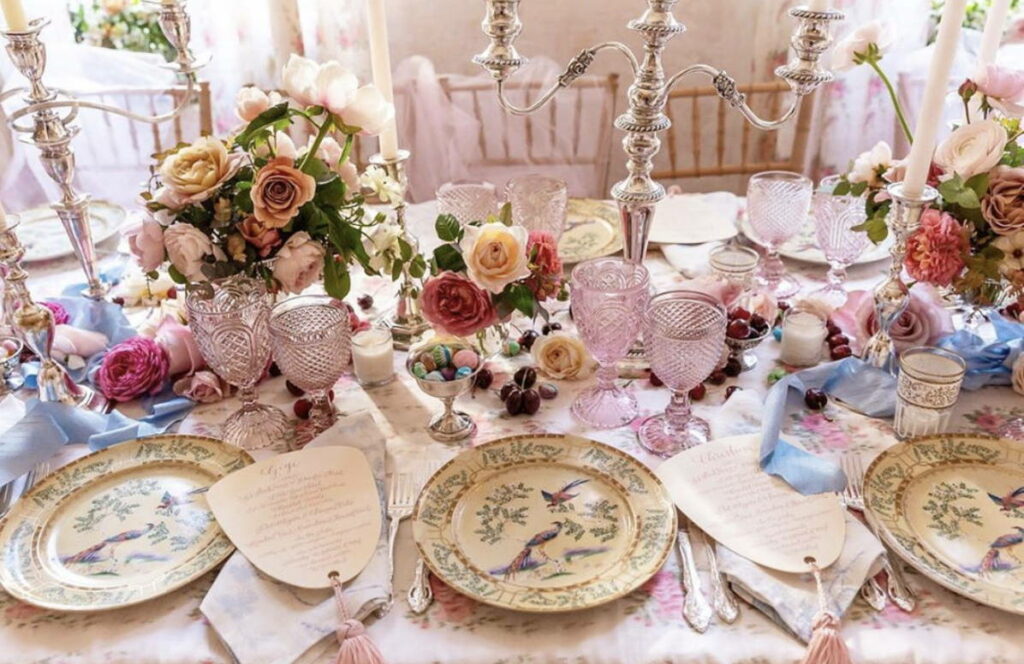
A basic set of dining equipment typically includes dinner plates, salad plates, soup bowls, and dessert plates. Each plate is designed for a specific course, ensuring proper portioning and presentation. Cutlery consists of forks, knives, and spoons, each with variations for different foods. For example, a dinner fork is larger than a salad fork, and a soup spoon has a deeper bowl than a teaspoon. Glassware includes water glasses, wine glasses, and juice glasses, each designed to enhance the taste and presentation of the beverage. Serving dishes, such as platters, bowls, and gravy boats, are used to present food at the table and allow guests to serve themselves.
Understanding the purpose of each item is essential for creating a functional and elegant table setting. For instance, placing the correct fork beside the plate shows consideration for your guest's comfort and reduces any potential confusion. Similarly, choosing the right glassware can enhance the aroma and flavor of the wine, creating a more sophisticated dining experience. By investing in a quality set of basic dining equipment and learning how to use it properly, you can transform your meals into memorable occasions.
Tata Cara Pengaturan Peralatan Makan

The target of "Tata Cara Pengaturan Peralatan Makan" (Table Setting Procedures) is to provide clear and concise instructions on how to arrange dining equipment correctly for various occasions. It aims to guide readers through the process of setting a table for formal and informal settings, ensuring proper placement of plates, cutlery, glassware, and napkins.
"Tata Cara Pengaturan Peralatan Makan" is more than just arranging items on a table; it's about understanding the etiquette and creating a welcoming atmosphere. It includes understanding the logic behind the placement of each item, contributing to a more enjoyable and efficient dining experience. The proper arrangement helps guide guests through the meal, indicating which utensils to use for each course.
The arrangement of utensils follows a simple rule: work from the outside in. The outermost utensils are for the first course, while the innermost utensils are for the main course. Forks are placed on the left of the plate, while knives and spoons are placed on the right. The knife blade should always face the plate. Dessert spoons and forks are typically placed horizontally above the plate. Glassware is placed to the upper right of the plate, with water glasses closest to the plate and wine glasses arranged according to the order in which the wines will be served.
Napkins can be folded in various ways and placed either to the left of the forks, on the plate, or in a napkin ring. For formal occasions, intricate napkin folds are often used to add a touch of elegance. However, for informal settings, a simple fold is perfectly acceptable. Remember to consider personal space between each setting to ensure comfort. By mastering the art of "Tata Cara Pengaturan Peralatan Makan", you can create a welcoming and functional table setting that enhances the dining experience for your guests.
Sejarah dan Mitos Seputar Peralatan Makan

The target of "Sejarah dan Mitos Seputar Peralatan Makan" (History and Myths Surrounding Dining Equipment) is to delve into the historical evolution of tableware and explore the myths and legends associated with them. It aims to provide readers with a fascinating glimpse into the cultural significance of dining customs and the stories that have shaped our modern table settings.
From ancient civilizations to modern-day dining, dining equipment has evolved significantly, mirroring the cultural and technological advancements of each era. Understanding the history adds a layer of appreciation and allows you to connect with traditions. For example, early forms of cutlery were often made of bone or wood, reflecting the resourcefulness of ancient societies. As civilizations advanced, metal utensils became more common, signifying wealth and status.
There are many myths and superstitions associated with dining equipment. Some cultures believe that dropping a fork is a sign that a male guest is coming, while dropping a spoon indicates a female guest. Other myths revolve around the proper way to use utensils, such as never crossing your knife and fork on the plate when you are finished eating. While these myths may not be scientifically accurate, they reflect the cultural importance of dining etiquette and the social norms that govern our behavior at the table.
The history of plates is equally fascinating. Early plates were often made of wood or earthenware, while porcelain plates became popular in Europe during the 18th century. The invention of the printing press allowed for the mass production of decorated plates, transforming them into works of art. Today, plates come in a wide variety of materials, shapes, and designs, reflecting the diverse tastes and preferences of modern consumers. By exploring the history and myths surrounding dining equipment, you can gain a deeper understanding of the cultural significance of our dining traditions.
Rahasia Tersembunyi Peralatan Makan

The target of "Rahasia Tersembunyi Peralatan Makan" (Hidden Secrets of Dining Equipment) is to uncover the lesser-known aspects and functionalities of various tableware items. It aims to provide readers with insider tips and tricks that can enhance their dining experience and elevate their table settings beyond the ordinary.
Beyond the basic knowledge of types and arrangements, lies a realm of hidden secrets and functionalities that can elevate your dining experience. Knowing how to care for your silverware properly, or understanding the nuances of different stemware shapes, can transform a simple meal into a special occasion.
One hidden secret lies in the proper care and maintenance of silverware. Many people are unaware that certain foods can tarnish silver, such as eggs, vinegar, and mustard. To prevent tarnishing, it's essential to wash silverware immediately after use with a mild detergent and dry it thoroughly. Another secret is the use of silver polish to restore the shine to tarnished silverware. By using a soft cloth and a gentle polishing agent, you can bring your silverware back to its original luster.
Another hidden secret involves the selection of appropriate stemware. The shape of a wine glass can significantly impact the taste and aroma of the wine. For example, red wines are best served in glasses with a wider bowl, allowing the wine to breathe and release its aromas. White wines, on the other hand, are best served in glasses with a narrower bowl, preserving their delicate flavors. By understanding the nuances of stemware shapes, you can enhance your wine-drinking experience and impress your guests with your knowledge.
Rekomendasi Peralatan Makan Terbaik

The target of "Rekomendasi Peralatan Makan Terbaik" (Recommendations for the Best Dining Equipment) is to provide curated suggestions for high-quality tableware based on different needs, budgets, and styles. It aims to guide readers in making informed decisions when purchasing dining equipment, ensuring they invest in durable, functional, and aesthetically pleasing items.
Choosing the right dining equipment can be a daunting task, given the vast array of options available on the market. From budget-friendly sets to luxury brands, there's something for everyone. However, it's essential to consider your personal needs, style preferences, and budget when making your selections. Ultimately, the "best" dining equipment is that which meets your unique needs and enhances your dining experience.
For those on a budget, consider investing in a simple and durable set of stainless steel cutlery and porcelain plates. These materials are relatively inexpensive and easy to maintain. Look for sets that are dishwasher-safe and resistant to chipping and staining. For those seeking a more elegant look, consider investing in a set of fine china or silver-plated cutlery. These materials are more expensive but offer a touch of sophistication and can elevate your table settings.
When choosing glassware, consider the types of beverages you typically serve. If you enjoy wine, invest in a set of quality wine glasses. If you prefer cocktails, consider purchasing a set of cocktail glasses. For everyday use, a set of sturdy water glasses and juice glasses is essential. Remember to choose glassware that is both functional and aesthetically pleasing, complementing your overall table setting. Ultimately, consider brands known for quality and durability.
The target here is to offer practical advice and tips on how to properly care for dining equipment to ensure its longevity and maintain its beauty. This is critical for maintaining the investment made in quality tableware.
Proper care and maintenance are essential for preserving the beauty and functionality of your dining equipment. Whether you have a budget-friendly set or a luxury collection, following a few simple tips can help extend the life of your tableware and keep it looking its best.
For silverware, always wash it immediately after use to prevent tarnishing. Avoid using abrasive cleaners or scouring pads, as they can scratch the surface. Instead, use a mild detergent and a soft cloth. To remove stubborn stains, try soaking the silverware in a solution of baking soda and water. For fine china, hand-washing is recommended to prevent chipping and cracking. Use a mild detergent and warm water, and avoid stacking the plates too high in the dishwasher. When storing china, place a piece of felt or paper between each plate to prevent scratching.
Glassware should also be hand-washed whenever possible to prevent breakage. Use a mild detergent and warm water, and avoid using abrasive sponges or cloths. To prevent water spots, rinse the glassware with vinegar and water, and dry it immediately with a clean, lint-free cloth. By following these simple tips, you can keep your dining equipment looking beautiful for years to come.
The target of "Tips Memilih Peralatan Makan yang Tepat" (Tips for Choosing the Right Dining Equipment) is to provide practical advice and guidelines for selecting tableware that suits individual needs, style preferences, and dining habits. It aims to empower readers to make informed purchasing decisions and create a dining environment that reflects their personal taste.
Choosing the right dining equipment is a highly personal decision, influenced by a variety of factors. Consider your lifestyle, dining habits, and aesthetic preferences when making your selections. Before you even begin shopping, consider how often you eat at home versus eating out. If you're someone who frequently hosts dinner parties, consider investing in a larger set of tableware with more formal options.
First, consider your lifestyle. Do you prefer formal or informal dining? Do you entertain frequently or primarily dine alone? Your answers to these questions will help you determine the type and quantity of dining equipment you need. Next, consider your style. Do you prefer a modern, minimalist look, or a more traditional, ornate style? Choose tableware that complements your overall home decor and reflects your personal taste.
Finally, consider your budget. Dining equipment can range in price from budget-friendly to extremely expensive. Set a budget before you start shopping and stick to it. Remember that it's better to invest in a few high-quality pieces that will last for years than to buy a large set of cheap tableware that will quickly wear out. Ultimately, the key is to choose tableware that you love and that will enhance your dining experience.
Jenis Material Peralatan Makan dan Keunggulannya
The target is to provide an overview of the different materials used in the production of dining equipment, highlighting the unique characteristics, advantages, and disadvantages of each material.
The world of dining equipment materials is vast, each offering its own unique set of characteristics and benefits. From classic porcelain to modern stainless steel, the material you choose can significantly impact the durability, aesthetics, and functionality of your tableware. Let's explore some of the most common materials used in dining equipment:
Porcelain is a classic choice for fine dining, known for its elegant appearance, delicate texture, and exceptional durability. Porcelain is fired at high temperatures, resulting in a non-porous surface that is resistant to chipping, staining, and scratching. However, porcelain can be more expensive than other materials and may not be suitable for everyday use. Stainless steel is a popular choice for cutlery due to its durability, resistance to corrosion, and affordability. Stainless steel is also easy to clean and maintain, making it ideal for everyday use. However, stainless steel cutlery can scratch easily and may not have the same elegant appearance as silver cutlery.
Glassware is made from various types of glass, each with its own unique properties. Crystal glass is known for its clarity, brilliance, and delicate sound. It is often used for wine glasses and other high-end glassware. Tempered glass is more durable than regular glass and is less likely to break or shatter. It is often used for everyday drinking glasses and plates. Other materials include earthenware, stoneware, and melamine, each with its own set of pros and cons. By understanding the properties of different materials, you can make informed decisions when purchasing dining equipment and choose items that meet your specific needs and preferences.
Fakta Menarik Tentang Peralatan Makan

The target of "Fakta Menarik Tentang Peralatan Makan" (Fun Facts About Dining Equipment) is to share intriguing and little-known facts about tableware, sparking curiosity and enhancing the reader's appreciation for the history and cultural significance of dining customs.
Did you know that the fork was once considered a symbol of extravagance and was met with resistance when it was first introduced to Europe? Or that the earliest spoons were made from shells and animal horns? The world of dining equipment is filled with fascinating facts and anecdotes that shed light on the evolution of dining customs throughout history.
In ancient Rome, people often ate with their fingers, and napkins were considered a luxury item. The use of cutlery became more widespread during the Middle Ages, but it wasn't until the Renaissance that table manners became more refined. The introduction of the fork to Europe was met with skepticism, as some people considered it an unnecessary and even sinful invention. However, the fork gradually gained acceptance and became an essential part of the table setting.
The design of dining equipment has also evolved significantly over time. In the past, silverware was often adorned with intricate designs and monograms, reflecting the wealth and status of the owner. Today, minimalist designs are more popular, reflecting a shift towards simplicity and functionality. From the humble spoon to the elegant wine glass, each piece of dining equipment has a unique story to tell. By exploring these fun facts, you can gain a deeper appreciation for the history and cultural significance of our dining traditions.
Cara Membuat Peralatan Makan Sendiri (DIY)
%20concept&w=800&h=400&c=7&rs=1&o=5&pid=1.7)
The target of "Cara Membuat Peralatan Makan Sendiri (DIY)" (How to Make Your Own Dining Equipment (DIY)) is to provide step-by-step instructions and creative ideas for crafting unique and personalized tableware items. It aims to inspire readers to explore their creativity and create one-of-a-kind dining equipment using readily available materials.
For the adventurous and creative, crafting your own dining equipment can be a rewarding experience. Not only do you get to personalize your tableware to your exact specifications, but you also gain a deeper appreciation for the artistry and craftsmanship involved in creating these items.
One simple DIY project is to create personalized place cards using decorative paper and calligraphy pens. You can also decorate plain plates with paint or decoupage techniques. Another fun project is to create napkin rings using beads, wire, or fabric scraps. If you're feeling more ambitious, you can try making your own ceramic plates or bowls using clay and a pottery wheel. However, this requires specialized equipment and skills.
When making your own dining equipment, be sure to use food-safe materials and finishes. Avoid using paints or glues that are not designed for contact with food. It's also important to ensure that your homemade items are durable and easy to clean. By following these guidelines, you can create beautiful and functional dining equipment that reflects your personal style and creativity.
Apa Jadinya Jika Peralatan Makan Tidak Ada?

The target of "Apa Jadinya Jika Peralatan Makan Tidak Ada?" (What if Dining Equipment Didn't Exist?) is to explore the hypothetical scenario of a world without tableware, prompting readers to consider the impact of dining equipment on our eating habits, social interactions, and cultural traditions.
Imagine a world without forks, knives, spoons, or plates. How would our dining experiences be different? The absence of dining equipment would fundamentally alter the way we eat, interact, and perceive food. We'd be forced to rely solely on our hands to consume meals, leading to a more tactile and perhaps less hygienic experience.
The absence of plates would also impact our dining customs. We'd likely eat directly from bowls or communal platters, leading to a more communal and less individualistic dining experience. The lack of cutlery would also impact the types of foods we could easily consume. Soups and stews would become more challenging to eat, while finger foods would likely become more prevalent.
The absence of dining equipment would also have social and cultural implications. Formal dining occasions would become less elegant and more casual. Table manners would likely be less refined, and the focus would shift from presentation to functionality. Ultimately, a world without dining equipment would be a world where dining is a more primal and less refined experience.
The target of "Daftar Peralatan Makan Yang Wajib Dimiliki" (List of Essential Dining Equipment to Own) is to provide a concise and practical checklist of the essential tableware items that every household should have. It aims to guide readers in building a functional and versatile dining equipment collection that meets their everyday needs and accommodates various dining occasions.
Building a well-equipped kitchen starts with having the right dining essentials. While elaborate sets are nice, focusing on the core pieces will ensure you're prepared for everyday meals and small gatherings.
A basic set should include dinner plates, salad plates, bowls (soup and cereal), mugs or cups, forks, knives, spoons (teaspoons and tablespoons), and basic drinking glasses. Depending on your lifestyle, you may also want to add wine glasses, serving platters, serving bowls, and a gravy boat. For cookware, be sure to have at least one large skillet, a saucepan, a stockpot, and a baking sheet.
For those who frequently host dinner parties, a more extensive set of tableware is recommended. This may include charger plates, bread plates, dessert forks and spoons, and specialty glassware for different types of wine and cocktails. Remember to choose items that are both functional and aesthetically pleasing, complementing your overall home decor. Start with the essentials and gradually add pieces as needed, building a collection that reflects your personal style and dining habits.
Pertanyaan dan Jawaban

Q: What is the most important factor to consider when choosing dining equipment?
A: Durability is key! Choose materials that can withstand daily use and are resistant to chipping, scratching, and staining.
Q: How can I properly care for my silverware to prevent tarnishing?
A: Wash silverware immediately after use with a mild detergent and dry it thoroughly. Avoid exposing it to foods that can cause tarnishing, such as eggs and vinegar.
Q: What is the correct way to set a table for a formal dinner?
A: Follow the rule of "work from the outside in." Place forks on the left of the plate and knives and spoons on the right. The knife blade should face the plate. Place glassware to the upper right of the plate.
Q: How can I create a more eco-friendly dining experience?
A: Choose reusable tableware made from sustainable materials, such as bamboo or recycled glass. Avoid using disposable plates, cups, and cutlery.
Kesimpulan tentang contoh peralatan makan

In conclusion, understanding "contoh peralatan makan" extends beyond mere functionality. It's about appreciating the history, culture, and artistry behind our dining traditions. From selecting the right materials to mastering the art of table setting, the knowledge and tips shared in this guide can elevate your dining experiences and create memorable moments with family and friends. By embracing the principles of functionality, aesthetics, and personal style, you can create a dining environment that truly reflects your unique taste and enhances the enjoyment of every meal. So, go ahead and explore the world of tableware, and transform your dining table into a work of art.



Comments
Post a Comment